
Another year over

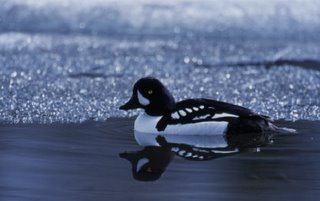
Mintues to hours, days to months, seasons of change. Hard to believe here we are on the last day of the year. Happy New Year everyone! Let the fireworks fly! An ordinance was passed this year in Anchorge, AK to let everyone fire off fireworks from 6pm to 1am New Year's eve. And so we shall. Another way of getting outside to share with friends the ringing in of the new year standing by a roaring fire and setting off fireworks. And just where did this last year go for everyone? As I look back on the year, it had it's trying moments. Summer produced a lot of rain, and as I have said right along the midwest had a wonderful summer. Seems we are always opposite of each other, which means the summer of 2011 will hopefully be nice up here. Went Halibut fishing to stock the freezer for the winter months, though Destiny says we will have four halibut in the freezer for next year. This is fine tasting fish as well as smoked salmon. Halibut fish and chips for dinner last night as well. Still in the persuit of feeding my birds and looking for wildlife which includes one of my favorite subjects up here, the moose. Snow has fallen and the moose migrate out of the mountians down to lower elevations. Like right into our backyard.
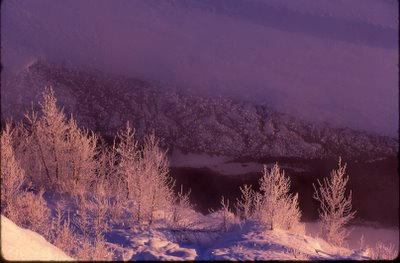
 I'm out the door like I was going to a fire. Spending as much quality time with them as I can - studying them while they're watching me! The odditys one does for pure excitment and of course being outside as well. As always I have many great conversations with people who love their birds and love watching the wildlife, just not as close as I seem to get. All good things to have in common with each other. Just days ago being out snowshoeing in late afternoon light in a open area I came across a moose antler that had already fallen from its host. I think this was one of nature's best Christmas gift to me I could find.
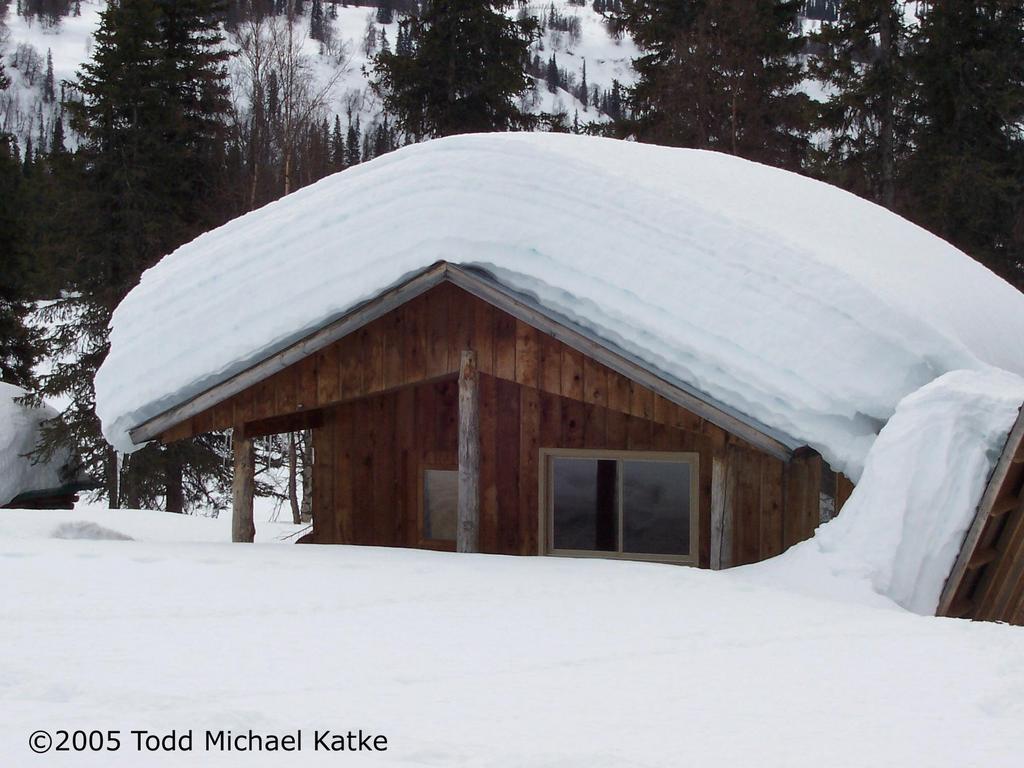
The outdoors blesses us all with so many gifts if we would just take the time to look about and see what it has to offer us. Christmas to me seems it has gone way to commerical, not like I remember it as a young boy. We have fallen away from gifts from the heart. My biggest gift is getting outside to spend time watching the birds, cross country sking through the woods, the simple peaceful quietness of the woods. Seeing a moose off in the distance. And taking those memories back to the cabin to reflect on while sitting in my rocker in front of the fireplace.
As we approach the New Year, and I don't make any New Year's resolutions, just take it as it comes, my gift to you all is that you make it the best. Don't get so caught up in what ever you do that you forget about the most important people in your life including you. Work will always be there. But please take some time out for yourself, hit the trail with a walk through one of your local parks. A long walk through the woods does the heart and soul wonders. Take a few pictures to share with with others to let them see what they might have missed along the way. I wish you just the best and a Happy New year. Let's be safe out there in your travels.
See you on down the trail,
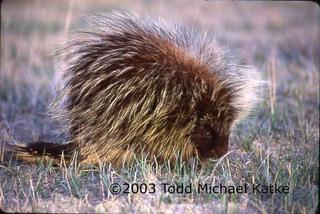
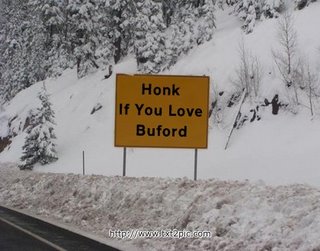
Buford T. Porcupine
Buford @ Friday, December 31, 2010
0 comments